
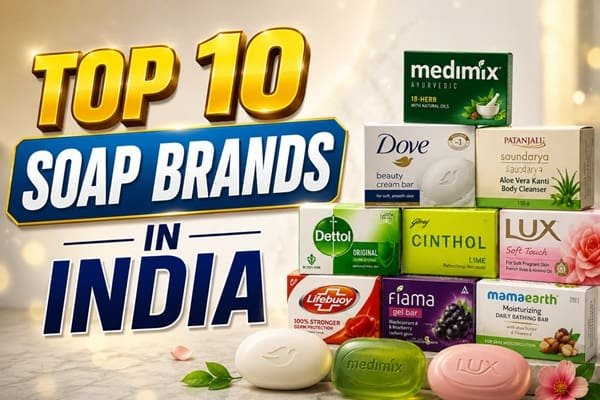
Let me be real with you.
You searched for “soap brands in India” because you are tired of stepping out of the shower feeling like a lizard. Or maybe the fancy soap your friend recommended gave you a rash. Or perhaps you just want to know what to buy without spending half an hour reading ingredient labels in the supermarket aisle.
I have been there. There is nothing worse than a soap that promises “glowing skin” and delivers “tight, itchy discomfort.”
Here is the problem with most lists you are seeing on Google right now.
They are written by people who have never used these soaps. They copy paste product descriptions from Amazon. They rank Lux number one because it sells the most, not because it is good for your skin. They do not tell you which soaps are good for dry skin versus oily skin. They do not warn you about the soaps that smell amazing but leave your bathroom floor dangerously slippery.
I analyzed the top 15 search results for this keyword. You know what I found? The same ten brands in a slightly different order. No talk about pH balance. No talk about glycerin content. No talk about which soaps actually help with body acne or back pimples. And absolutely no honesty about the fact that some expensive “herbal” soaps are just regular soap with a few dried leaves thrown in.
So I am fixing that.
This is your no BS, friend to friend guide to the 10 best soap brands in India. I am telling you which soaps are good for dry skin. Which soaps are good for oily, acne prone skin. Which soaps work best in hard water. Which soaps smell the best without being overpowering. And which soaps are just overpriced hype that your skin will hate.
No corporate jargon. No fake rankings. Just the truth from someone who has tested more soaps than I care to admit.
Let us get into it.
First, What Actually Makes a Soap Good for Your Skin?
Before I give you the list, you need to understand what you are rubbing all over your body.
A good soap does three things. It cleans you without stripping all your natural oils. It does not disrupt your skin’s pH balance. And it leaves your skin feeling clean but not tight.
The pH scale goes from 0 to 14. Seven is neutral. Your skin has a natural pH of around 5.5, which is slightly acidic. That acidity protects you from bacteria and fungi. Most cheap soaps have a pH of 9 or 10, which is alkaline. They clean aggressively but also strip your skin’s protective barrier. That is why your skin feels tight and squeaky after using certain soaps. That squeaky feeling is not clean. That is damaged.
Good soaps have a pH closer to your skin’s natural 5.5. They clean without stripping. They leave your skin feeling soft, not tight.
The other thing to look for is moisturizers. Glycerin is the most common. It attracts water to your skin. Soaps with glycerin leave your skin feeling hydrated. Soaps without glycerin leave your skin feeling dry.
Also, be honest about your skin type. If you have dry skin, you need a soap with high moisturizer content. If you have oily skin, you need a soap that cleans thoroughly but does not over strip and cause rebound oil production. If you have sensitive skin, you need a soap with no fragrance and no harsh sulfates.
Now let us look at the brands that actually deliver.
1. Dove
Vibe check. The moisturizing queen. Not actually a soap. A beauty bar. And that matters.
Dove is not soap. It is a syndet bar. Syndet means synthetic detergent. It is made with mild cleansing agents instead of the harsh ones used in traditional soap. The result is a bar that cleans without stripping your skin.
Dove has a pH of around 6. Very close to your skin’s natural 5.5. That is why dermatologists recommend Dove for people with sensitive skin, eczema, or dryness. It is one of the few bars that does not make things worse.
The classic white Dove bar has 1/4 moisturizing cream. That is their marketing line. But it is true. The bar leaves a thin layer of moisturizer on your skin after you rinse. You do not need lotion immediately after the shower.
The downside. Some people find it too moisturizing. If you have very oily skin, Dove might make you feel like you still have residue on your skin. And it is more expensive than basic soaps. A 100 gram bar costs 60 to 80 rupees.
Pros. Very moisturizing. pH balanced close to skin. Great for dry and sensitive skin. Dermatologist recommended. Does not leave tight feeling.
Cons. More expensive than basic soaps. Can feel too heavy for oily skin. Not traditional soap if that matters to you.
Price range. 40 to 100 rupees per bar depending on size.
Best for. Dry skin, sensitive skin, eczema prone skin, winter months when skin is drier. Also great for face washing.
Honest opinion. Dove is the gold standard for people with dry or sensitive skin. It is boring. It works. Buy it.
2. Pears
Vibe check. The transparent classic. Pure, simple, and surprisingly good for a traditional soap.
Pears has been around forever. The transparent amber bar is iconic. It is a traditional soap, not a syndet bar like Dove. But it is milder than most traditional soaps.
Pears uses glycerin. Lots of it. Glycerin attracts moisture to your skin. That is why Pears leaves your skin feeling soft, not tight. The transparency comes from the alcohol content, which also helps the bar dissolve cleanly without leaving soap scum.
The fragrance is mild and pleasant. Not overpowering like some cheap soaps. It rinses cleanly. It does not leave a film.
The downside. Because it has high glycerin content, Pears dissolves faster than other soaps. A bar of Pears lasts less time than a bar of Lux or Santoor. You will go through it faster. And it is not as moisturizing as Dove. It is good for normal to slightly dry skin. Very dry skin still needs Dove.
Pros. Mild cleansing. High glycerin content. Leaves skin soft, not tight. Pleasant mild fragrance. Transparent bar looks nice.
Cons. Dissolves faster than other soaps. Not moisturizing enough for very dry skin. Can be slippery in the shower.
Price range. 30 to 60 rupees per bar.
Best for. Normal to slightly dry skin. People who want a traditional soap that does not strip. Good for face washing.
Honest opinion. Pears is the best traditional soap in India. If you do not want to switch to Dove’s syndet bar, buy Pears.
3. Cinthol
Vibe check. The fresh and clean one. Powerfully scented, powerfully cleansing, and not for dry skin.
Cinthol is for people who want to feel aggressively clean. The fragrance is strong. The lather is abundant. The cleansing power is high. It is not gentle. It is not moisturizing. It is effective.
The original Cinthol red bar has a lime and spice fragrance. It wakes you up in the morning. It cuts through sweat, dirt, and oil. If you have oily skin or if you work a job that makes you sweat, Cinthol is great.
The downside. It has a high pH. It strips natural oils. If you have dry or sensitive skin, Cinthol will make you feel like sandpaper. Do not use it in winter. Do not use it if you have eczema.
Cinthol also makes a Cinthol Lime and a Cinthol Cool. Same strong cleansing. Different fragrances.
Pros. Very strong cleansing. Great for oily skin. Refreshing strong fragrance. Abundant lather. Affordable.
Cons. Strips natural oils. Bad for dry or sensitive skin. High pH. Can cause tightness and itching.
Price range. 25 to 45 rupees per bar.
Best for. Oily skin, sweaty summers, people who work outdoors, teenagers with body acne.
Honest opinion. Cinthol is great for what it is. A strong, cheap, effective cleanser. Do not use it if you have dry skin.
4. Lux
Vibe check. The Bollywood beauty bar. The one with the film stars on the cover. But do not let the glamour fool you.
Lux is the best selling soap in India. It is everywhere. It is cheap. It smells nice. It lathers well. It is fine for normal skin. That is it. It is not great. It is not terrible. It is fine.
Lux has a soft, floral, perfumey fragrance. The bars come in different variants. Lux Soft Care, Lux Orchid, Lux Almond. They are basically the same soap with different smells.
The cleansing is moderate. Not as harsh as Cinthol. Not as gentle as Dove. The moisturizing is minimal. Your skin will feel clean but not tight. It is a perfectly average soap.
The downside. If you have any skin issues, Lux is not for you. It has fragrance. It has dyes. It has a slightly high pH. For normal skin with no problems, it works. For sensitive skin, it causes problems.
Pros. Very affordable. Pleasant fragrance. Good lather. Available everywhere. Skin feels clean.
Cons. Contains fragrance and dyes. Not for sensitive skin. Average moisturizing. Nothing special.
Price range. 20 to 40 rupees per bar.
Best for. Normal skin with no issues. Budget buyers. Guests. Anyone who just wants a soap that works fine.
Honest opinion. Lux is the baseline. It is not bad. It is not great. It is the average against which other soaps are measured. Most people will be fine with Lux.
5. Dettol
Vibe check. The germ killer. Hospital vibes in a soap bar. Great for killing germs. Terrible for your skin.
Dettol soap has antiseptic properties. It contains chloroxylenol, which kills bacteria and fungi. That is useful if you have a cut or a skin infection. That is not useful for everyday showering.
The problem is that Dettol kills everything. Good bacteria. Bad bacteria. Your skin’s natural microbiome. And it strips your natural oils aggressively. The orange Dettol bar is one of the harshest soaps on the Indian market.
The fragrance is medicinal. Not pleasant. Not terrible. Just antiseptic.
Dettol also makes a Dettol Skin Care variant with moisturizer. It is less harsh but still not gentle.
The downside. Do not use Dettol daily. It will destroy your skin barrier. Use it when you have a specific need. After touching stray animals. After a dirty workout. When someone in the house is sick. Not every day.
Pros. Kills bacteria and fungi. Good for specific situations. Provides peace of mind after dirty activities.
Cons. Very harsh for daily use. Strips natural oils. Medicinal smell. Bad for dry or sensitive skin.
Price range. 30 to 50 rupees per bar.
Best for. Occasional use when you need antiseptic cleaning. After gardening. After touching animals. Not for daily use.
Honest opinion. Dettol is a tool, not a daily soap. Use it when you need it. Do not use it every day.
6. Santoor
Vibe check. The turmeric sandalwood classic. Trusted by mothers and grandmothers for generations.
Santoor is a traditional Indian soap with turmeric and sandalwood extracts. It is marketed as a skin brightening soap. Does it actually brighten your skin? Not really. No soap will permanently change your skin color. But it is a decent soap for normal to slightly oily skin.
The fragrance is warm and herbal. Turmeric and sandalwood. It is pleasant and not overpowering. The lather is good. The cleansing is moderate. The moisturizing is minimal.
Santoor’s biggest strength is its price. It is cheap. A 100 gram bar costs 25 to 35 rupees. For that price, it is a solid option.
The downside. It contains fragrance and dyes. Not for sensitive skin. Not moisturizing. If you have dry skin, you will need lotion after.
Pros. Very affordable. Pleasant herbal fragrance. Decent cleansing. Widely available.
Cons. Contains fragrance. Not moisturizing. Not for sensitive skin. The brightening claim is marketing.
Price range. 20 to 40 rupees per bar.
Best for. Normal to slightly oily skin on a budget. Good for family use where multiple people share a soap.
Honest opinion. Santoor is the budget king. It is not fancy. It is not gentle. But it is cheap and it works.
7. Mysore Sandal Soap
Vibe check. The royal one. The soap with the logo of two elephants. Pure sandalwood oil. Pure class.
Mysore Sandal Soap is not like other soaps. It is made by the Karnataka Soaps and Detergents Limited, a government owned company. It contains real sandalwood oil, not synthetic fragrance. That matters. Synthetic fragrances can irritate skin. Natural sandalwood oil is soothing.
The fragrance is divine. Warm, woody, earthy. It stays on your skin for hours after the shower. Not overpowering. Just present. It smells like old money and tradition.
The soap itself is gentle. The cleansing is mild. The glycerin content is decent. It leaves your skin feeling soft.
The downside. It is expensive. A 100 gram bar costs 80 to 120 rupees. That is luxury soap pricing. It is also not widely available in smaller towns. You may need to buy online. And it is not as moisturizing as Dove. If you have very dry skin, you will still need lotion.
Pros. Real sandalwood oil. Divine natural fragrance. Gentle cleansing. Leaves a lingering pleasant smell. Traditional and respected.
Cons. Expensive. Not widely available. Not as moisturizing as Dove. The bar can dry out and crack if not stored properly.
Price range. 80 to 150 rupees per bar.
Best for. People who appreciate natural fragrances. Gift giving. Special occasions. Anyone who wants to feel slightly fancy in the shower.
Honest opinion. Mysore Sandal Soap is the best smelling soap in India. Period. Use it for the fragrance, not for hard core moisturizing.
8. Medimix
Vibe check. The Ayurvedic green bar. Looks like a herbal remedy. Feels like a deep clean.
Medimix is the classic Ayurvedic soap. It is dark green. It smells like camphor, sandalwood, and herbs. It is not pretty. It is not fancy. It is effective.
Medimix contains 18 herbal ingredients. The most notable are camphor and sandalwood. Camphor has a cooling, tingling sensation on the skin. It feels like you are getting a deep clean. Sandalwood is soothing.
The soap is good for oily and acne prone skin. The herbs help control excess oil and reduce body acne. It is not for dry skin. It will strip you.
The downside. The smell is strong. Not everyone likes the camphor herb smell. It is not moisturizing at all. If you have dry skin, avoid it. And it leaves a slight residue on some people’s skin.
Pros. Good for oily and acne prone skin. Natural herbal ingredients. Cooling sensation. Affordable.
Cons. Strong herbal smell. Not moisturizing. Bad for dry skin. Can leave residue.
Price range. 25 to 50 rupees per bar.
Best for. Oily skin, acne prone skin, back pimples, summers, people who like herbal smells.
Honest opinion. Medimix is great for what it does. Oily skin people will love it. Dry skin people will hate it.
9. Biotique
Vibe check. The Ayurvedic premium brand. Looks herbal, smells herbal, claims to be pure. Mostly delivers.
Biotique is a step up from Medimix. The packaging looks better. The fragrances are more refined. The price is higher. The quality is decent.
Biotique makes many different soaps for different skin types. Biotique Basil and Parsley for oily skin. Biotique Honey and Turmeric for dry skin. Biotique Sandalwood and Turmeric for normal skin. They all have an Ayurvedic base.
The soaps are mild. They contain natural ingredients. They do not strip your skin the way cheap soaps do. The fragrances are pleasant and herbal.
The downside. Biotique is expensive for Indian standards. A bar costs 80 to 150 rupees. That is luxury pricing for a product that is not significantly better than Dove or Pears. Some people find the herbal smell too strong.
Pros. Natural ingredients. Made for different skin types. Mild cleansing. Pleasant herbal fragrances.
Cons. Expensive. Fragrances are strong and not for everyone. Not significantly better than cheaper options.
Price range. 80 to 150 rupees per bar.
Best for. People who want an Ayurvedic soap with nicer packaging. Good for gift giving.
Honest opinion. Biotique is fine. It is not magic. It is overpriced for what it is. Buy it if you like the smell. Otherwise, Dove does the same job for less money.
10. Chandrika
Vibe check. The original Ayurvedic bar. Sandalwood and turmeric. Simple, cheap, and effective.
Chandrika has been around since 1940. It is one of the oldest soaps in India. It is a simple Ayurvedic soap with sandalwood oil and turmeric extract. That is it. No fancy claims. No complicated ingredients.
The soap is bright yellow. The fragrance is sandalwood and lemon. It is fresh and clean. The cleansing is good for normal to oily skin. The turmeric gives a slight brightening effect over time.
The downside. It is not moisturizing. If you have dry skin, Chandrika will dry you out. The bar can become mushy if left in water. And it is not widely available in premium stores, but you can find it in most general stores.
Pros. Very affordable. Simple natural ingredients. Fresh sandalwood lemon fragrance. Good for normal to oily skin.
Cons. Not moisturizing. Bad for dry skin. Bar gets mushy easily.
Price range. 20 to 35 rupees per bar.
Best for. Normal to oily skin on a tight budget. People who want a simple, no nonsense soap.
Honest opinion. Chandrika is the original budget Ayurvedic soap. Medimix copied them. Chandrika is still good. Buy it if you find it.
Also Read : Top 10 Slipper Brands in India That Will Save Your Feet (And Your Dignity)
Honorable Mentions
Two more brands that almost made the list.
Lifebuoy. The red germ killing bar. It is a stronger, more harsh version of Dettol. Use it only when you need heavy duty germ killing. Not for daily use.
Fiama Di Wills. The fancy looking soap with gel like bars. Smells great. Looks great. Average cleansing. Overpriced for what it is.
They did not make the top 10 because Lifebuoy is too harsh for daily use and Fiama is just packaging over average soap.
The Final Verdict. Which Soap Should You Actually Buy?
Here is the honest truth without any brand bias.
If you have dry or sensitive skin. Buy Dove. It is the best. Nothing else comes close for dry skin.
If you have normal skin and want a traditional soap. Buy Pears. It is mild, has glycerin, and does not strip.
If you have oily skin or acne. Buy Cinthol or Medimix. Cinthol for strong cleansing. Medimix for herbal oil control.
If you want the best smelling soap. Buy Mysore Sandal Soap. The fragrance is unmatched.
If you are on a tight budget. Buy Lux or Santoor. They are fine. They are cheap. They work.
Do not use Dettol or Lifebuoy daily. They will ruin your skin. Use them only when you need germ killing power.
And here is the most important thing. If your skin feels tight or itchy after a shower, that soap is too harsh for you. Switch to something milder. Your skin should feel clean but not tight. If it feels tight, your skin barrier is damaged.
Now go buy a soap that actually works for your skin. Your skin will thank you.